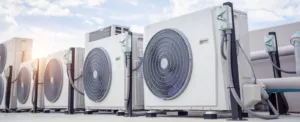
When it comes to heating systems for offices, finding the right commercial heating solution is critical. Not only do commercial heating systems create a comfortable & productive environment, but they also ensure safe, quality indoor air for employees. Whether you’re using traditional central heating or the latest energy-efficient heat pumps, selecting the right heating solution depends on your building’s unique needs, size, & budget. In this post, we’ll dive deep into commercial heating options & discuss some of the best heating solutions for maintaining ideal indoor temperatures in office spaces.
Why Heating Matters in Office Spaces
Office buildings need to provide an ideal working environment, particularly in regions where winter temperatures can plummet. Adequate space heating keeps employees comfortable, prevents issues like condensation & mould growth, & even reduces energy costs when properly managed. Additionally, a well-maintained heating system can improve indoor air quality (IAQ), which is essential for health & productivity. When office air systems are functioning well, there’s a better flow of clean air, & temperature control becomes easier & more energy efficient.
Key Types of Commercial Heating Systems
There are various types of commercial heating systems suitable for office spaces. Each system offers unique advantages & is suitable for different office sizes & needs.
1. Central Heating Systems
Central heating is a traditional method of heating that serves multiple zones from a central source, typically a boiler or furnace. It distributes heat throughout a building using forced air or hot water through ductwork & radiators.
- Pros: Central heating is reliable & can serve large commercial buildings efficiently.
- Cons: These systems can be costly to install & may be less efficient than more modern alternatives if not well-maintained.
Central forced air systems & other central heating methods are still common for large office buildings, where they provide steady, consistent heat across extensive spaces.
2. HVAC Systems
HVAC (Heating, Ventilation, & Air Conditioning) systems are an all-in-one solution that provide both heating & cooling. For offices, HVAC units are an excellent choice as they regulate temperature year-round, reducing the need for separate heating & cooling systems.
- Pros: HVAC systems are versatile & suitable for areas with fluctuating temperatures.
- Cons: They require regular maintenance & can be energy-intensive if not optimized for efficiency.
3. Heat Pumps
Heat pumps are a modern, energy-efficient alternative to traditional heating systems. They work by extracting heat from the outside air & transferring it indoors. They can also function in reverse to provide cooling during warmer months, making them ideal for regions with mild winters.
- Pros: Highly efficient & offer dual functionality (heating & cooling).
- Cons: May be less effective in extremely cold temperatures & may require supplemental heating.
Heat pumps are often the choice for environmentally conscious companies as they use less energy & can significantly reduce utility bills over time.
4. Unit Heaters & Space Heaters
Unit heaters & space heaters are localized heating solutions designed for specific areas within an office building. These can include portable space heaters or wall-mounted unit heaters that provide warmth to specific zones without heating the entire building.
- Pros: Flexible & ideal for small spaces or supplemental heating.
- Cons: Not suitable as the primary heating source for large office spaces.
Space heaters, whether portable or installed, are particularly useful in small office buildings or individual rooms, such as meeting spaces that require only occasional heating.
5. Destratification Systems
Destratification systems are used to ensure even temperatures throughout a space by mixing warm air that rises to the ceiling with cooler air below. This helps reduce temperature stratification & increases heating efficiency.
- Pros: Helps maintain consistent temperatures & is energy efficient.
- Cons: Best used as a supplementary system rather than a primary heating source.
Additional Heating Options for Office Spaces
Forced Air Systems
Forced air heating is one of the most common options for commercial buildings, especially in the United States. This system uses a furnace or heat pump to heat air, which is then blown through ducts & into rooms.
- Pros: Efficiently heats large spaces & can be paired with air conditioning for year-round comfort.
- Cons: Can cause uneven heating & may stir up allergens or dust if not regularly maintained.
Heat Exchanger Systems
Heat exchangers are used in various types of heating systems to transfer heat from one medium to another, often from water or steam to air. In commercial heating applications, heat exchangers are popular in industrial settings but can be adapted for large office spaces requiring consistent temperature control.
Air Rotation Systems
These systems keep air circulating within the space, which helps prevent hot or cold spots & reduces the amount of energy needed to maintain a comfortable temperature. Air rotation systems are most commonly found in larger commercial spaces like warehouses but are increasingly being adapted for office buildings.
Choosing the Right Commercial Heating System
When selecting a heating system for an office, it’s important to consider:
- Energy Efficiency: Look for energy-efficient options like heat pumps, HVAC systems, or modern boilers. Energy-efficient heating reduces operating costs & is environmentally friendly.
- Building Size & Layout: Large office spaces with open floor plans may benefit from central heating or HVAC, while smaller offices might do well with unit heaters or heat pumps.
- Indoor Air Quality (IAQ): Systems that use forced air, such as HVAC, should have good filtration to maintain IAQ. Destratification & air rotation systems can also help maintain consistent air quality & comfort levels.
- Installation & Maintenance Costs: Initial installation costs, as well as ongoing maintenance, are critical considerations. A well-maintained system will last longer & operate more efficiently.
Heating & IAQ Considerations
Maintaining good IAQ is important for employee health & well-being. Systems like HVAC & forced air can effectively filter air, but it’s essential to choose units with good filtration. Filters should be changed regularly, & HVAC ducts should be cleaned to prevent dust, allergens, & contaminants from circulating.
The Importance of Temperature Control in Offices
In an office environment, temperature control is essential to comfort & productivity. Research has shown that extreme temperatures, whether too hot or too cold, can impact concentration & productivity. Well-designed heating systems with precise temperature control allow for a more comfortable working environment. Many modern HVAC systems include programmable thermostats, which allow for optimal temperature settings throughout the day & ensure energy savings by reducing heating during off-hours.
Optimizing Heating Efficiency
- Regular Maintenance: Ensure regular maintenance of boilers, heat pumps, & HVAC systems. Clean filters, check ducts, & inspect unit heaters to maintain energy efficiency & good air quality.
- Smart Controls: Smart thermostats & temperature sensors can help monitor & adjust heating to meet changing needs throughout the day.
- Zoning: Zoning divides the office into sections that can be heated independently, making it ideal for large offices or buildings with varied occupancy throughout the day.
- Insulation: Proper insulation reduces the need for excessive heating by retaining warmth within the building.
Summary: Finding the Right Heating Solution
Choosing the ideal commercial heating system for an office depends on the building’s needs, layout, & energy goals. Forced air systems, heat pumps, & HVAC systems are all efficient options, each suited to different office sizes & environmental needs. Consulting with heating specialists, like Accurate Mechanical Services, can help determine the best setup for optimal comfort, air quality, & efficiency.
Maintaining a comfortable office environment isn’t just about temperature—IAQ, system efficiency, & even employee well-being are all impacted by the type of heating system installed. Whether you need an upgrade or a brand-new installation, commercial heating solutions provide both comfort & cost-efficiency when chosen thoughtfully.