
Structured support helping organisations manage pressure systems, statutory inspections and ongoing compliance responsibilities across occupied buildings and operational sites.
Written Schemes of
Examination


Southern Maintenance Solutions supports organisations with structured pressure systems compliance programmes across commercial buildings, industrial environments and operational estates.
We help facilities managers, estates teams and duty holders maintain clearer oversight of pressure systems, statutory inspections, compliance documentation and associated operational responsibilities.
Many organisations initially think about boiler plant or compressed air servicing when reviewing pressure systems responsibilities.
While maintenance is important, effective pressure systems compliance typically involves a wider programme of statutory inspections, monitoring, documentation and ongoing compliance oversight across pressurised systems and associated infrastructure.
Depending on the building and system type, this can include:
For occupied buildings and operational estates especially, maintaining organised inspection schedules and clear compliance documentation is just as important as the maintenance itself.
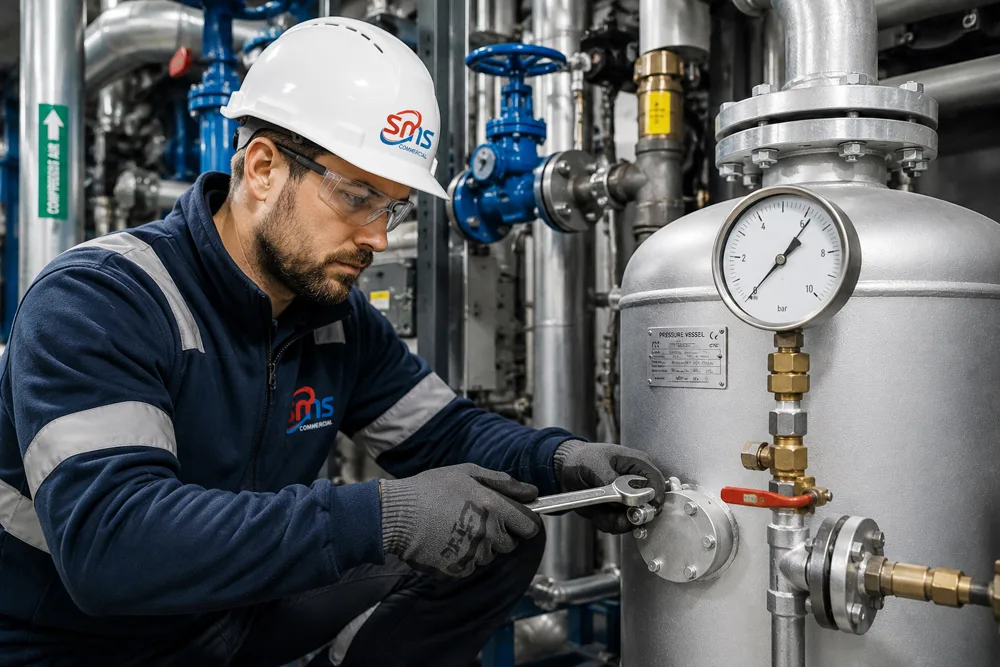
Pressure systems play an important role across many commercial and industrial environments, including heating systems, compressed air systems, process equipment and pressurised plant infrastructure.
Organisations responsible for commercial premises are expected to manage pressure systems in line with the Pressure Systems Safety Regulations (PSSR), written schemes of examination, manufacturer guidance and associated health and safety responsibilities.
Pressure systems are common place in building systems. However, if an issue occurs it can pose a threat to your people, systems and buildings. Your pressured systems need close management as related issues can be hugely consequential, contributing to increased safety and liability risk, such as:
For commercial buildings, industrial facilities and complex estates especially, maintaining compliant pressure systems and organised inspection schedules is essential for safe and reliable operation.
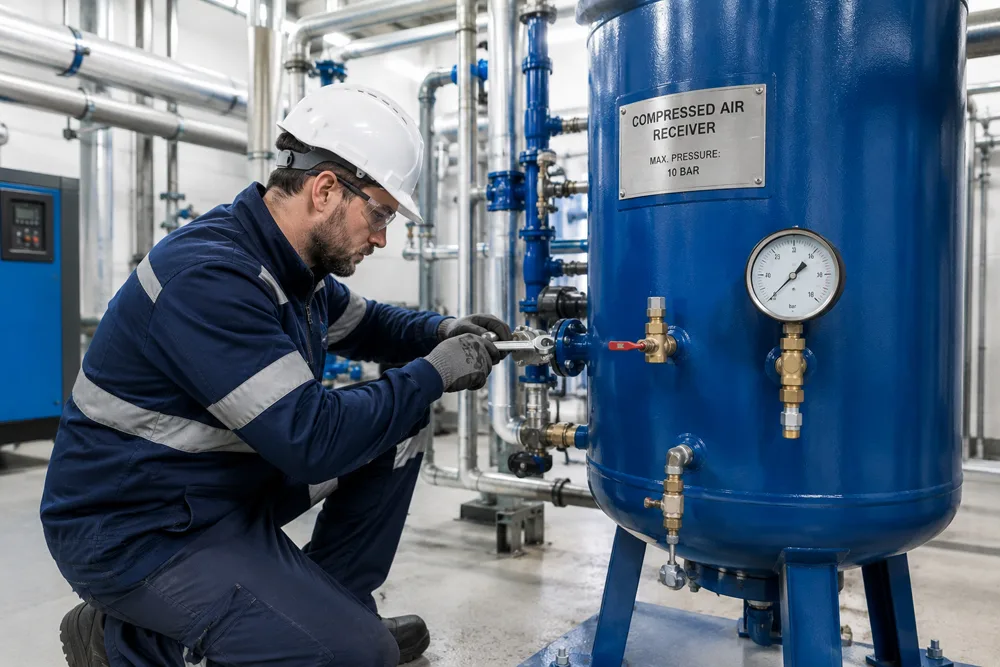
Inspection requirements and frequencies vary depending on system types, occupancy and manufacturer guidance. Compliance programmes commonly include support across:
All pressure systems compliance programmes include full compliance reporting and documentation with quoted remedial work coordination where required.
Requirements vary from one building to another, depending on equipment present. We can help your pressure systems compliance with:
| Compliance Area | Regulation / Guidance | Typical Requirement |
|---|---|---|
| Pressure systems inspections | Pressure Systems Safety Regulations (PSSR) | Inspection frequencies determined by written scheme |
| Written schemes of examination | PSSR | Required for applicable pressure systems |
| Pressure vessel inspections | PSSR / written scheme | Periodic statutory inspection required |
| Compressed air system inspections | PSSR / manufacturer guidance | Planned inspections recommended |
| Air receiver inspections | PSSR / written scheme | Statutory inspection required |
| Expansion vessel inspections | PSSR / manufacturer guidance | Planned inspections recommended |
| Safety valve inspections | PSSR / operational best practice | Planned testing and inspection recommended |
| Pressure relief valve testing | Manufacturer guidance | Planned testing intervals recommended |
Structured inspections and compliance testing help organisations achieve, demonstrate and maintain compliance across critical building systems, while supporting clear certification, reporting and compliance records.
Where issues, deterioration or non-compliant elements are identified, remedial works and system improvements help restore systems to a compliant, safe and operational standard. These will be quoted for your approval in order to achieve compliance.
Planned maintenance, scheduled inspections and ongoing compliance management help organisations maintain continued compliance across critical building systems and associated statutory responsibilities.:
Managing compliance across commercial buildings often involves more than simply arranging inspections. Maintaining compliant, safe and operational systems typically requires a structured approach that combines testing, remedial works and ongoing compliance management across the lifecycle of the building and its infrastructure.

Many pressure systems compliance issues occur because inspection schedules, statutory documentation and ongoing monitoring become difficult to manage across busy estates and operational environments.
Missed inspections, incomplete records or poorly maintained systems can increase operational and safety risks while making it more difficult to demonstrate appropriate compliance management following audits, incidents or insurer reviews.
Planned compliance programmes help organisations maintain clearer visibility across pressure systems infrastructure, statutory inspections and associated compliance responsibilities.
Structured compliance programmes help create a more manageable and inspection-ready framework across commercial pressure systems compliance & supports duty holder responsibilities with confidence.
Many organisations manage compliance reactively — arranging inspections only when they fall due or when audits approach, often across multiple contractors, systems and service dates. Managing heating compliance with one company, fire systems with another, electrical inspections elsewhere and water hygiene separately quickly becomes costly, difficult to coordinate, be on top of, track and maintain across busy operational sites.
We will help your organisation simplify your compliance and planned maintenance around your buildings, systems and operational requirements. By coordinating inspections, testing, remedial works and ongoing maintenance across multiple services, we help simplify compliance management, reduce administrative burden and maintain clearer oversight across the year.
We’re happy to review your current arrangements and help build a structured pressure systems compliance programme around your buildings and operational requirements.
Southern Maintenance Solutions supports organisations with coordinated pressure systems compliance support across commercial buildings and complex estates.
Keeping inspections organised and on track
Easy-to-follow records supporting compliance oversight
Helping reduce disruption across your estate
Quick remedial action when issues or failures are identified
Consistent support from engineers who know your site
Coordinated oversight across multiple buildings and locations
PSSR stands for the Pressure Systems Safety Regulations. These UK regulations are designed to help ensure pressure systems are operated, inspected and maintained safely.
PSSR places responsibilities on organisations managing applicable pressure systems to maintain suitable written schemes of examination, carry out statutory inspections and keep appropriate compliance records.
Pressure systems include equipment and infrastructure that operate under pressure, including boilers, expansion vessels, compressed air systems, pipework and pressurised plant equipment.
Pressure systems include equipment and infrastructure that operate under pressure, including boilers, expansion vessels, compressed air systems, pipework and pressurised plant equipment.
The Pressure Systems Safety Regulations are UK regulations designed to help ensure pressure systems are operated and maintained safely through appropriate inspection, testing and management procedures.
A written scheme of examination is a formal document that defines which parts of a pressure system require inspection, how inspections should be carried out and how frequently they should take place.
Yes. Many pressure vessels and associated systems require statutory inspection under the Pressure Systems Safety Regulations and associated written schemes of examination.
Missed inspections can increase operational and safety risks while making it more difficult to demonstrate compliance with statutory responsibilities and insurer requirements.
Air receivers are pressurised vessels commonly used within compressed air systems to store compressed air safely and help stabilise system pressure.
Safety valves help protect pressure systems from dangerous over-pressurisation by safely releasing excess pressure where required.
Poorly maintained safety valves can contribute to increased operational and safety risks.
Yes. Insurers often expect organisations to maintain appropriate inspection records, statutory documentation and evidence of pressure systems compliance.
Responsibility typically sits with the duty holder. This may include employers, facilities managers, estates teams or organisations responsible for operating commercial premises and associated pressure systems.
We support organisations managing pressure systems compliance across many sectors, with each environment presenting different occupancy risks, system requirements and compliance responsibilities. We help tailor support programmes accordingly.


One of our team will respond as soon as possible
