
Structured support helping organisations manage plumbing, drainage and water system compliance responsibilities across occupied buildings.
Comprehensive Plumbing
Compliance


Southern Maintenance Solutions supports organisations with structured plumbing and drainage compliance programmes across commercial buildings and complex estates.
We help facilities managers, estates teams and duty holders maintain clearer oversight of plumbing inspections, drainage infrastructure, testing schedules, compliance documentation and associated statutory responsibilities.
Many organisations initially think about reactive plumbing repairs or blocked drains when reviewing plumbing and drainage compliance responsibilities.
While maintenance and repairs are important, effective plumbing and drainage compliance typically involves a much wider programme of inspections, testing, monitoring and ongoing compliance oversight across building water systems and drainage infrastructure.
Depending on the building and system type, this can include:
For occupied buildings and larger estates especially, maintaining organised inspection schedules and clear compliance records is just as important as the maintenance itself.
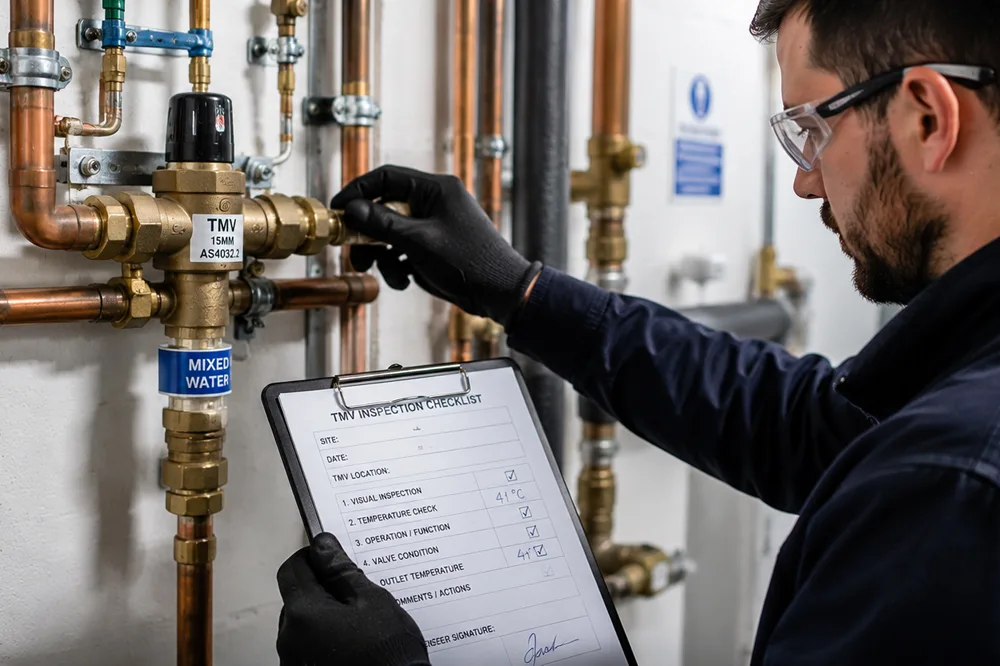
Commercial plumbing and drainage systems play an important role in maintaining safe, hygienic and operational occupied buildings.
Organisations responsible for commercial premises are expected to manage plumbing and drainage systems in line with Water Supply (Water Fittings) Regulations, environmental responsibilities, health and safety requirements and recognised industry guidance.
Plumbing and drainage are common in work places, but when an issue with these can pose a threat to your people, systems and buildings. Your Plumbing and drainage needs close management as related issues can be hugely consequential. Poorly managed Plumbing and drainage compliance can contribute to increased safety and liability risk, such as:
For schools, healthcare environments, hospitality venues and occupied commercial buildings especially, maintaining clear oversight of plumbing and drainage inspections, testing schedules and compliance records is essential.
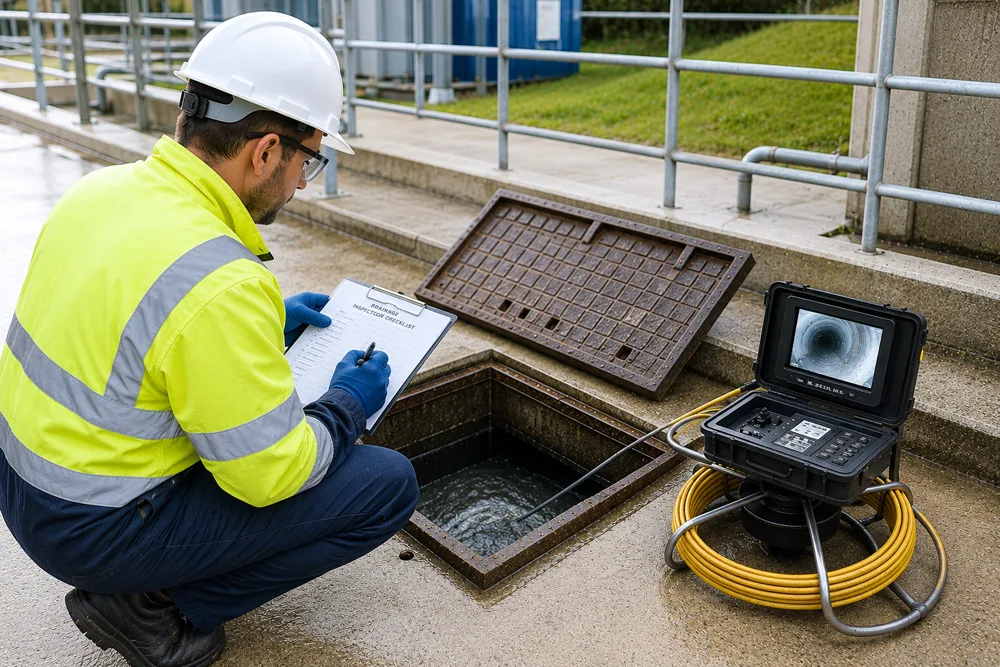
Inspection requirements and frequencies vary depending on system types, occupancy and manufacturer guidance. Compliance programmes commonly include support across:
All plumbing and drainage compliance programmes include full compliance reporting and documentation with quoted remedial work coordination where required.
Requirements vary from one building to another, depending on equipment present. We can help your plumbing and drainage compliance with:
| Compliance Area | Regulation / Guidance | Typical Requirement |
|---|---|---|
| TMV inspections & servicing | NHS D08 / manufacturer guidance | Frequencies vary depending on risk environment |
| Backflow prevention inspections | Water Supply (Water Fittings) Regulations | Protection measures required where contamination risks exist |
| Water temperature monitoring | HSG274 guidance | Monitoring frequencies vary depending on system and risk |
| Expansion vessel inspections | PSSR / manufacturer guidance | Planned inspections and maintenance recommended |
| Cold water storage inspections | HSG274 guidance | Commonly inspected annually |
| Grease trap inspections | Environmental Health guidance | Planned inspection and cleaning recommended |
| Interceptor inspections | Environmental protection guidance | Planned inspection and maintenance recommended |
| Pump station inspections | Manufacturer guidance / operational best practice | Planned inspections and servicing recommended |
| Non-return valve inspections | Water system best practice guidance | Planned inspections recommended |
| Surface water drainage inspections | Flood risk & drainage management guidance | Planned inspections recommended |
| Attenuation system inspections | SuDS / drainage management guidance | Planned inspections recommended |
| Drainage inspections | Operational & preventative maintenance guidance | Frequencies vary depending on site usage |
| Pipework inspections | Best practice / maintenance guidance | Planned inspections recommended |
Structured inspections and compliance testing help organisations achieve, demonstrate and maintain compliance across critical building systems, while supporting clear certification, reporting and compliance records.
Where issues, deterioration or non-compliant elements are identified, remedial works and system improvements help restore systems to a compliant, safe and operational standard. These will be quoted for your approval in order to achieve compliance.
Planned maintenance, scheduled inspections and ongoing compliance management help organisations maintain continued compliance across critical building systems and associated statutory responsibilities.:
Managing compliance across commercial buildings often involves more than simply arranging inspections. Maintaining compliant, safe and operational systems typically requires a structured approach that combines testing, remedial works and ongoing compliance management across the lifecycle of the building and its infrastructure.

Many plumbing and drainage compliance issues occur because inspection schedules, testing records and monitoring responsibilities become difficult to manage across busy estates and multiple buildings.
Missed inspections, incomplete records or poorly managed plumbing and drainage systems can increase operational, hygiene and liability risks while making it more difficult to demonstrate appropriate compliance oversight following audits, investigations or insurer reviews.
Planned compliance programmes help organisations maintain clearer visibility across plumbing infrastructure, drainage systems, inspection schedules and associated compliance responsibilities.
Structured compliance programmes help create a more manageable and inspection-ready framework across commercial plumbing and drainage compliance & supports duty holder responsibilities with confidence.
Many organisations manage compliance reactively — arranging inspections only when they fall due or when audits approach, often across multiple contractors, systems and service dates. Managing heating compliance with one company, fire systems with another, electrical inspections elsewhere and water hygiene separately quickly becomes costly, difficult to coordinate, be on top of, track and maintain across busy operational sites.
We will help your organisation simplify your compliance and planned maintenance around your buildings, systems and operational requirements. By coordinating inspections, testing, remedial works and ongoing maintenance across multiple services, we help simplify compliance management, reduce administrative burden and maintain clearer oversight across the year.
We’re happy to review your current arrangements and help build a structured plumbing and drainage compliance programme around your buildings and operational requirements.
Southern Maintenance Solutions supports organisations with coordinated plumbing and drainage compliance support across commercial buildings and complex estates.
Keeping inspections organised and on track
Easy-to-follow records supporting compliance oversight
Helping reduce disruption across your estate
Quick remedial action when issues or failures are identified
Consistent support from engineers who know your site
Coordinated oversight across multiple buildings and locations
Yes. Organisations responsible for commercial buildings are expected to maintain plumbing and drainage systems in a safe operational condition while complying with relevant water regulations, environmental responsibilities and health and safety requirements.
Poorly managed drainage systems can contribute to flooding, wastewater backup, hygiene concerns, environmental issues, unpleasant odours and operational disruption within occupied buildings.
Planned inspections and preventative maintenance help reduce the likelihood of drainage failures and infrastructure disruption.
Pump station inspections help verify that foul water and surface water pumping systems remain operational, safe and capable of managing wastewater effectively.
Poorly maintained pump stations can contribute to flooding, system failures and environmental risks.
Non-return valves help prevent reverse flow within plumbing and drainage systems.
Regular inspections help verify that valves remain operational and capable of helping protect buildings against backflow and flooding risks.
Backflow prevention helps protect potable water supplies from contamination caused by reverse flow within plumbing systems.
Certain commercial systems and installations require specific backflow protection arrangements under water regulations.
Missed inspections or poorly managed systems can increase operational, hygiene and safety risks while making it more difficult to demonstrate appropriate compliance oversight following incidents, audits or insurer reviews.
Yes. Plumbing systems form part of wider building water systems and can contribute to water hygiene and Legionella management responsibilities.
Grease traps and interceptors help prevent contamination, blockages and environmental issues within drainage systems.
Poorly maintained systems can contribute to drainage failures, unpleasant odours and environmental compliance concerns.
Yes. Missing inspection records, poorly maintained systems or unresolved water and drainage issues may increase liability exposure and create issues during investigations or insurer reviews.
Responsibility typically sits with the duty holder. This may include facilities managers, employers, estates teams, landlords or organisations responsible for occupied commercial premises.
We support organisations managing plumbing and drainage compliance across many sectors, with each environment presenting different occupancy risks, system requirements and compliance responsibilities. We help tailor support programmes accordingly.


One of our team will respond as soon as possible
